
Understanding the psychological triggers that drive gambling behavior
The Nature of Gambling Behavior
Gambling behavior is often rooted in complex psychological processes that can be influenced by various factors. For many individuals, the thrill of uncertainty and the hope of winning can create a compelling drive to engage in gambling activities. The psychological excitement generated by potential rewards can lead to a heightened sense of arousal, motivating players to take risks even when the odds may not be in their favor. An excellent resource for beginners is https://casinoextreme-au.com/, which provides insights and information to help navigate the gaming landscape.
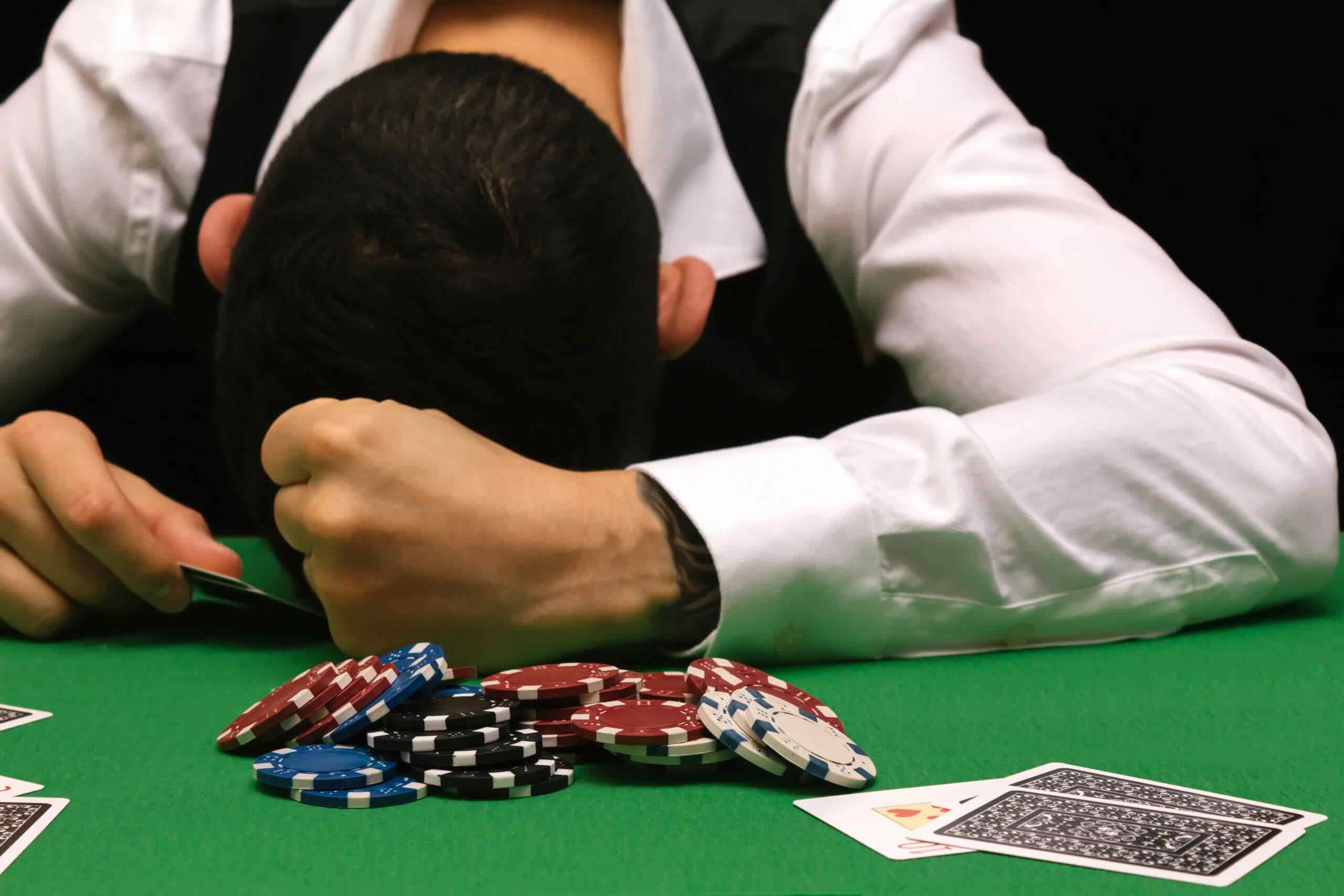
The anticipation experienced before a game or a spin is another crucial element that contributes to gambling behavior. This excitement can evoke feelings similar to those experienced in other forms of risk-taking, enhancing the overall enjoyment and making it difficult for individuals to resist the temptation to gamble again.
Psychological Triggers: Reward Systems
One of the most significant psychological triggers in gambling is the brain’s reward system. When a player wins, the brain releases dopamine, a neurotransmitter associated with pleasure and reinforcement. This chemical reaction creates feelings of euphoria, reinforcing the gambling behavior and making players more likely to return for future games.
The unpredictability of gambling outcomes also plays a critical role in reinforcing this behavior. In many cases, intermittent rewards—a win after a series of losses—can create a cycle of hope and anticipation that keeps players engaged. This phenomenon, known as the «near-miss effect,» can lead individuals to believe that they are closer to winning, encouraging them to gamble more frequently.
The Influence of Social Factors
Social factors also contribute significantly to gambling behavior. Peer pressure and societal norms can shape an individual’s perception of gambling, making it appear more acceptable or desirable. Social environments, such as casinos or online gaming platforms, often foster a sense of community, which can enhance the overall gambling experience.
Furthermore, the accessibility of gambling through online platforms has made it easier for individuals to engage in these behaviors without the need for a physical location. This convenience can lead to an increase in impulsive gambling, as individuals may find themselves drawn to games in response to social influences or personal triggers.
Understanding Risk and Loss Aversion
Risk and loss aversion are critical concepts in understanding gambling behavior. Many individuals are more motivated to avoid losses than to pursue gains, which can lead to irrational decisions while gambling. Players may continue to gamble to recover losses, often leading to further financial strain and emotional distress.
This loss-chasing behavior is fueled by cognitive biases, such as overconfidence and the illusion of control. Players may believe that they can influence the outcome of a game, leading them to take unnecessary risks in hopes of a comeback. This mindset can perpetuate a cycle of gambling, making it challenging for individuals to step back and reassess their choices.

Why Casino Extreme Appeals to Gamblers
Casino Extreme offers a thrilling environment tailored to both casual players and high rollers, enhancing the gambling experience through its diverse selection of games. With over 7,000 licensed options, players can find everything from pokies to live dealer games, catering to various preferences and encouraging engagement.
Additionally, the platform’s generous welcome package of up to AU$5,000 plus free spins serves as a strong incentive for new players. By providing swift payouts and a secure gaming environment, Casino Extreme capitalizes on the psychological triggers that drive gambling behavior, ensuring that players can enjoy their experience while feeling confident in their choices.